Publications
Research publications from Jo Lab
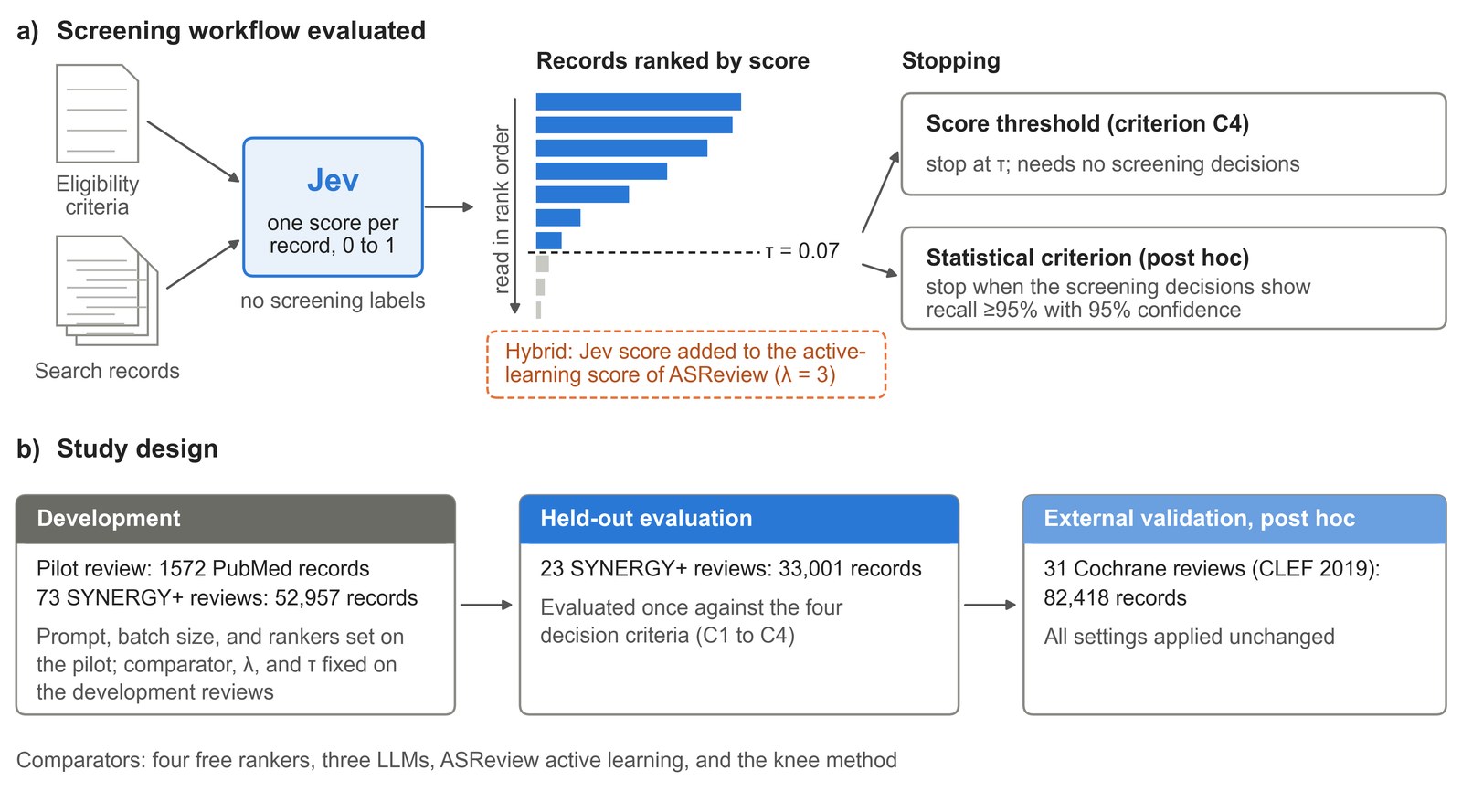
Label-free, Low-cost AI Ranking for Systematic Review Screening
Jev, a low-cost AI decision model, ranked records for title and abstract screening better than the best free ranker in all 23 held-out reviews (mean AUC 0.966 vs 0.831) and came within 0.011 AUC of Claude Opus 5.5 at about 1/700 of its list-price cost.
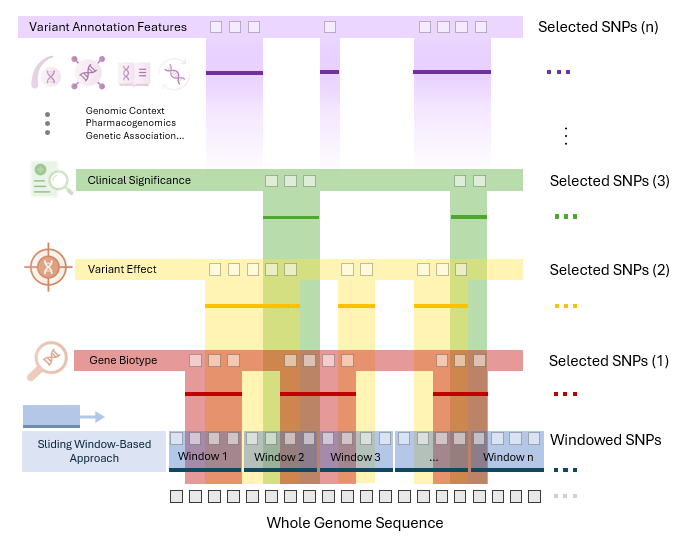
DuAL-Net: A Dual-Network Approach for Alzheimer's Disease Risk Prediction Using APOE-Centered Regional WGS Data
DuAL-Net is a hybrid dual-network framework that combines local genomic-window analysis with global annotation-based modeling to prioritize Alzheimer's-associated SNPs, reaching AUC 0.698 on top-ranked variants in the APOE region.
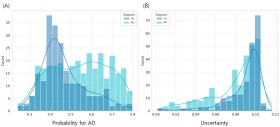
Uncertainty-aware genomic classification of Alzheimer's disease: a transformer-based ensemble approach with Monte Carlo dropout
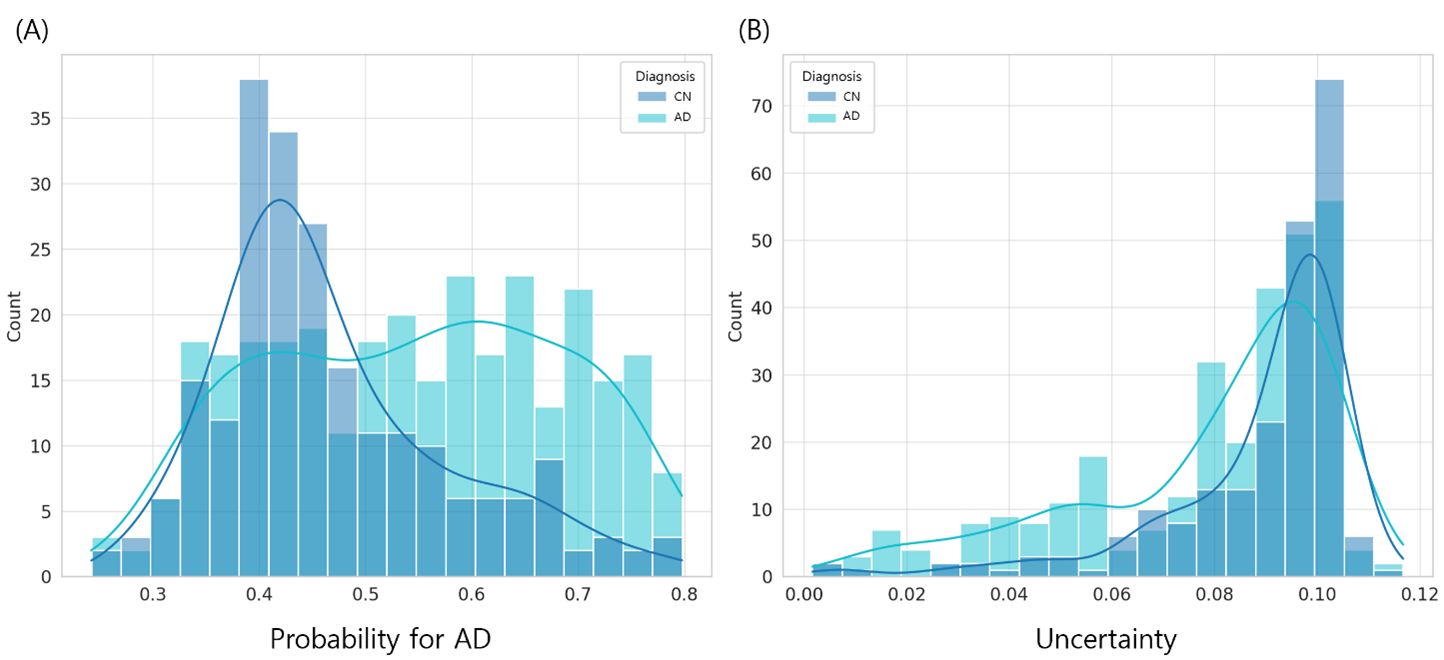
TrUE-Net is a transformer plus random forest ensemble with Monte Carlo Dropout that predicts Alzheimer's disease from whole-genome sequencing while quantifying uncertainty, reaching 72.9% accuracy on the high-confidence subset of ADNI samples.
Longitudinal plasma proteomics: relation to incident Alzheimer's disease dementia and biomarkers
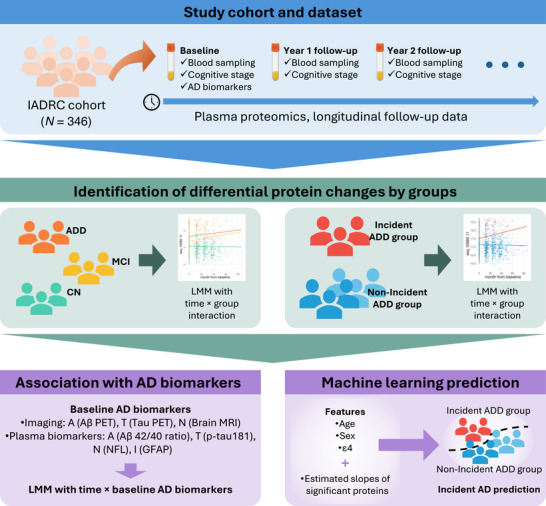
Longitudinal SomaScan 7K plasma proteomics from 347 Indiana ADRC participants identified proteins whose trajectories tracked cognitive stage and incident Alzheimer's dementia, with a machine learning model reaching 0.848 AUC-ROC for ADD conversion.
LD‐informed deep learning for Alzheimer's gene loci detection using WGS data
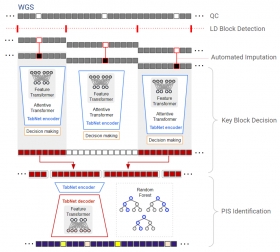
Deep-Block, a three-stage deep learning framework, segments the genome into linkage disequilibrium blocks, ranks them by Alzheimer's relevance, and pinpoints SNPs from whole genome sequencing of 7,416 ADSP participants, recovering APOE variants and novel loci.
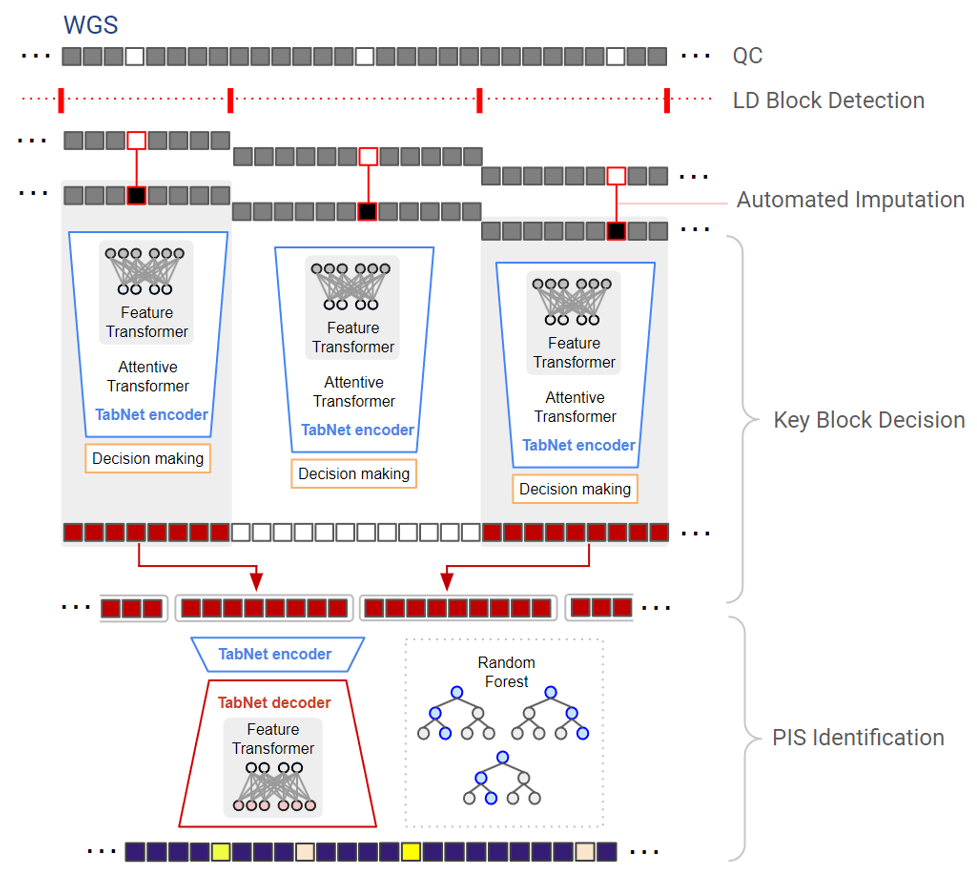
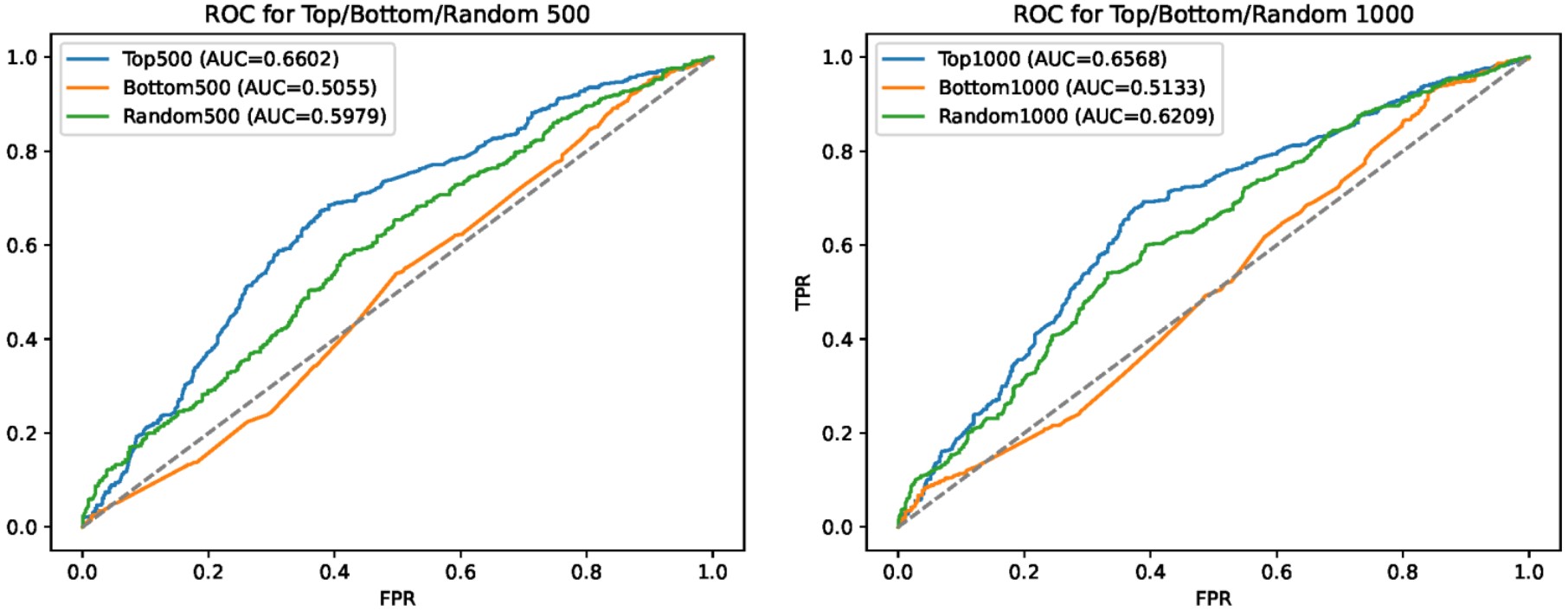
Deep-Block: Large-scale WGS Analysis for Alzheimer's Disease Risk Variant Detection Using Deep Learning
Deep-Block, an attention-based deep learning framework, was applied to ADSP R4 whole-genome sequencing data from 36,361 participants. Segmenting the genome into 48,959 linkage disequilibrium blocks and combining TabNet with Random Forest ranked 4,869 AD-associated variants, reaching AUC 0.70 on an independent 3,000-participant test set.
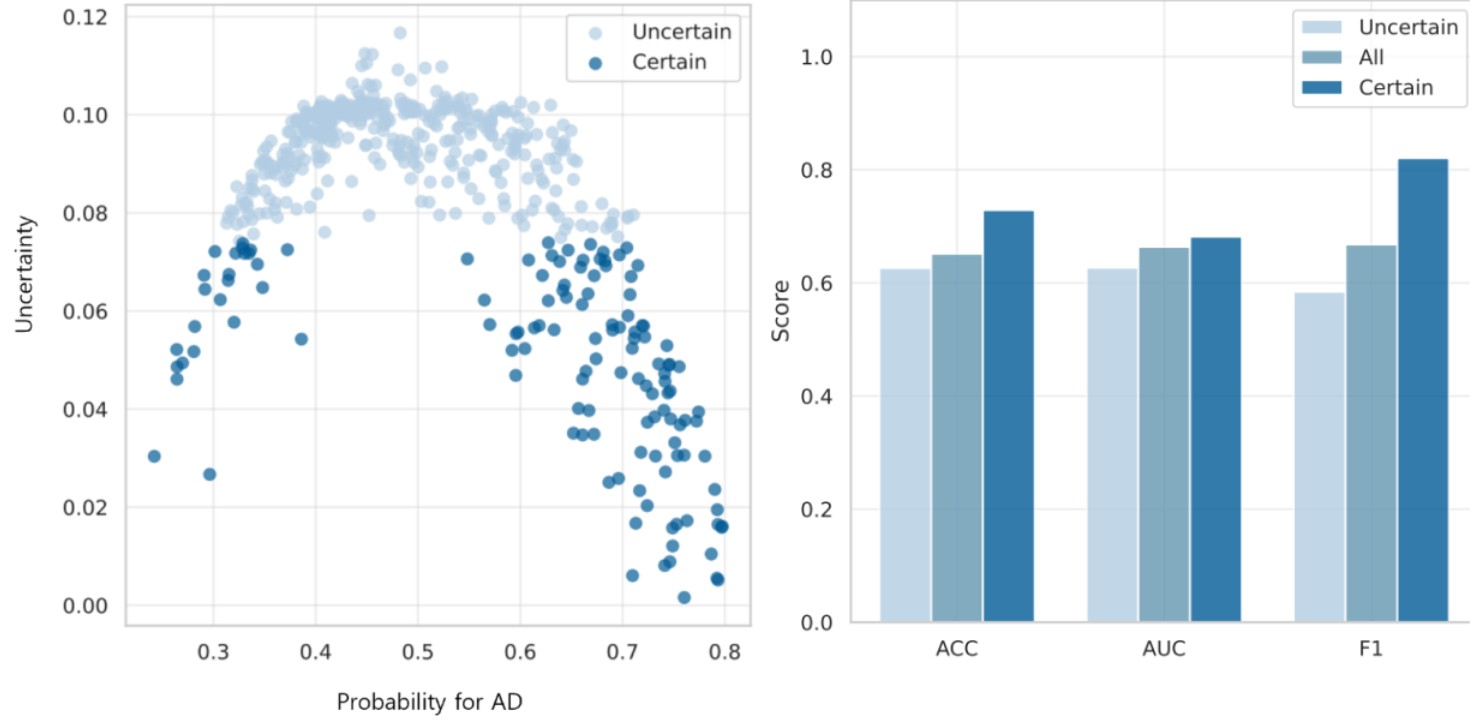
Monte Carlo Dropout for Uncertainty-Aware Alzheimer's Disease Classification Using Transformer Models on Whole-Genome Sequencing Data
An uncertainty-aware framework that pairs a transformer over whole genome sequencing windows with Monte Carlo Dropout to flag low-confidence Alzheimer's disease predictions, ensembled with a Random Forest for more reliable genomic risk assessment.
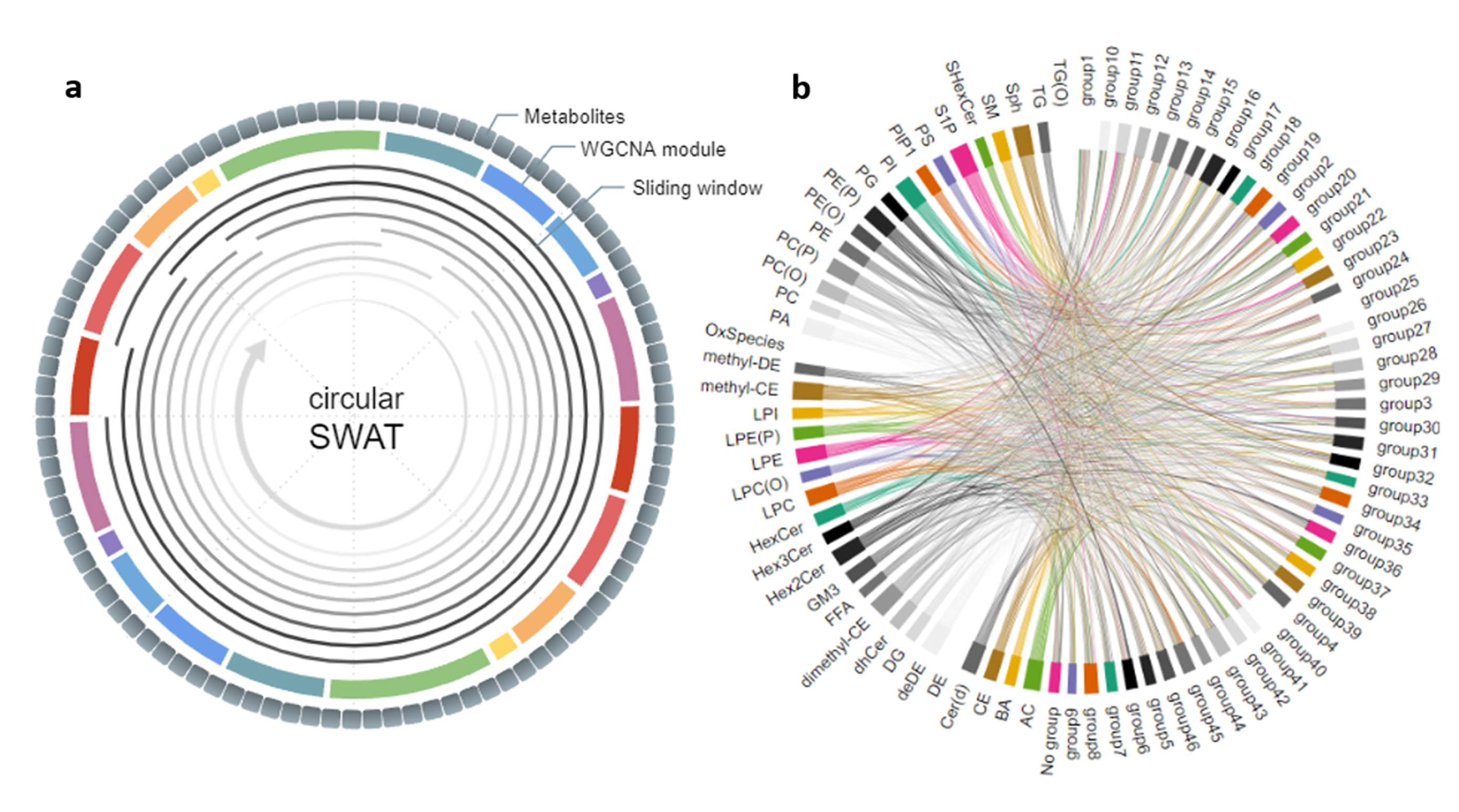
Circular-SWAT for deep learning based diagnostic classification of Alzheimer’s disease: Application to metabolome data
Introduces Circular-SWAT (c-SWAT), a deep learning pipeline combining WGCNA, CNN feature selection, and Random Forest to classify Alzheimer's disease from serum metabolomics, reaching 80.8% accuracy and 0.808 AUC on 997 ADNI participants.
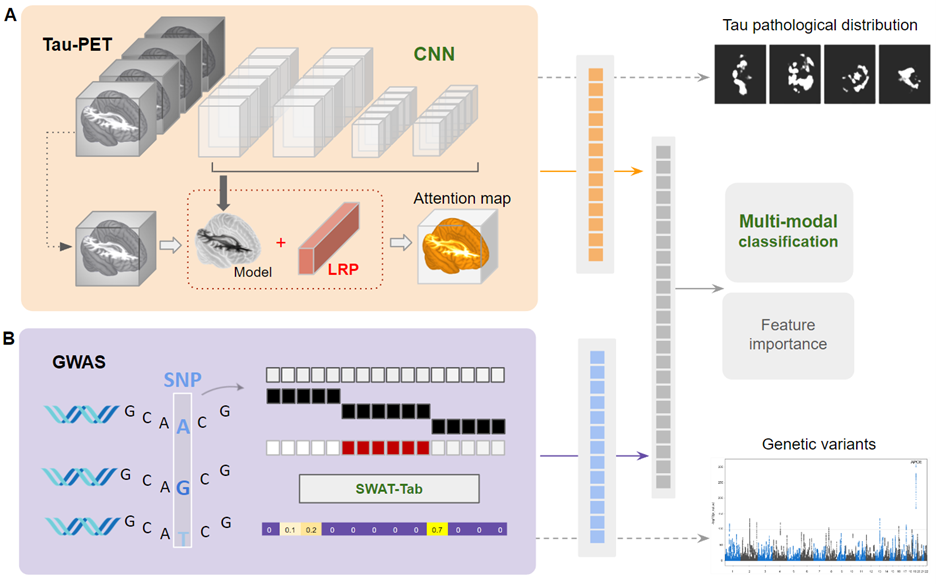
Deep Learning-based Integration of Neuroimaging and Genetic Data for Classification of Alzheimer's Disease
A deep learning framework combining CNNs with Layer-wise Relevance Propagation on tau-PET images and a Sliding Window Association Test on GWAS data to classify Alzheimer's disease, achieving 90.8% accuracy on tau-PET and an AUC of 0.82 on genetic data.
Deep Learning-based SWAT-Tab Approach for Identifying Genetic Variants using Whole Genome Sequencing
SWAT-TAB modifies SWAT-CNN by adding the TabNet algorithm to tackle the high-dimension low-sample-size problem in whole genome sequencing, and was applied to ADSP Chromosome 19 data from 7,416 samples to identify AD-associated variants.
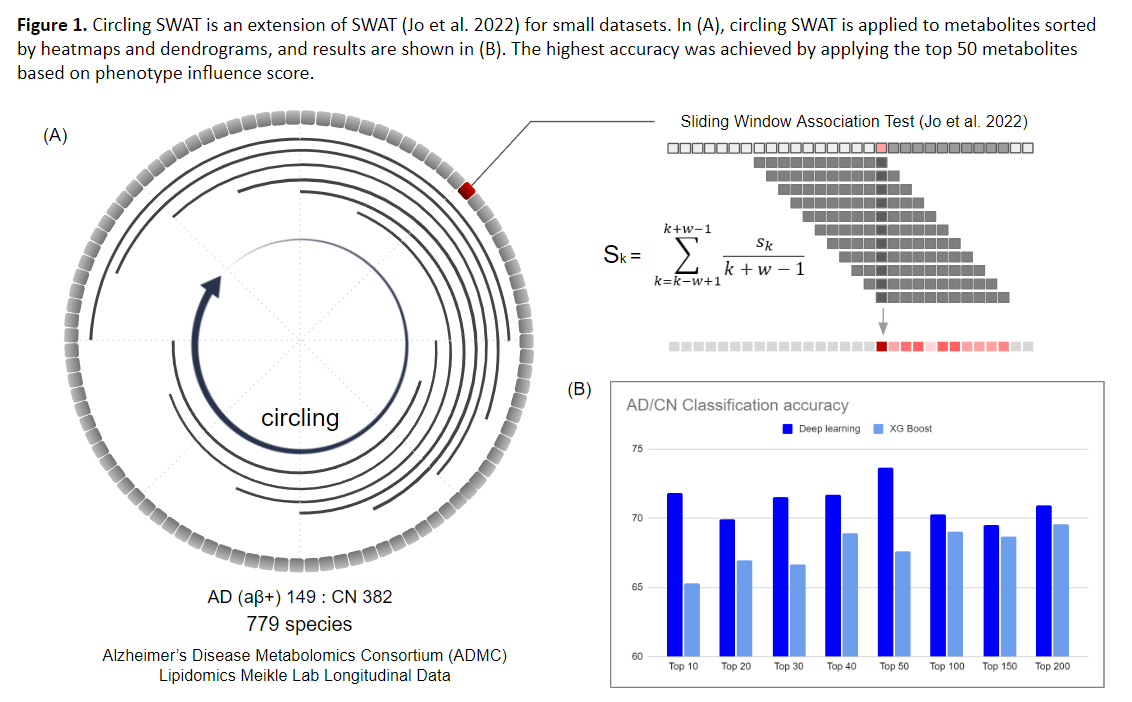
Novel circling SWAT for deep learning based diagnostic classification of Alzheimer’s disease: Application to metabolome data
Two-step deep learning method (Circling SWAT) applied to ADNI serum lipidomics (781 lipids) to identify AD-related metabolites and classify Alzheimer's disease, reaching 73.6% AD vs CN accuracy and 69.9% for predicting MCI-to-AD conversion within two years.
Deep learning-based identification of genetic variants: application to Alzheimer’s disease classification
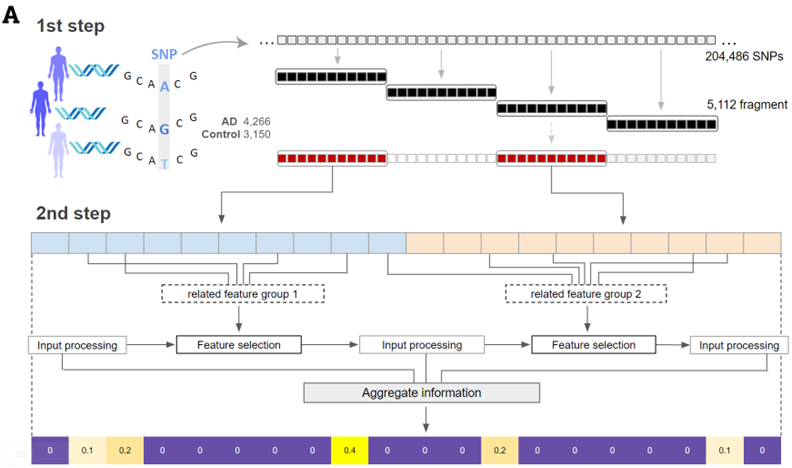
Proposes SWAT-CNN, a three-step deep learning framework that scans the genome in fragments and uses Sliding Window Association Testing with CNNs to rank SNPs, reaching 75.02% accuracy (AUC 0.8157) for Alzheimer's disease classification on the ADNI cohort.
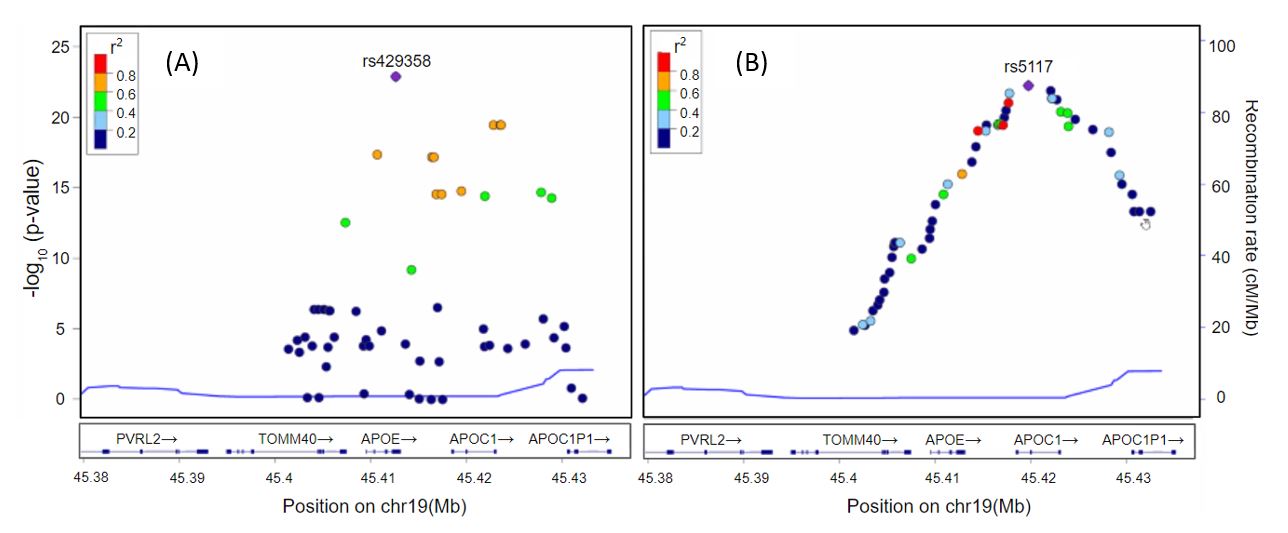
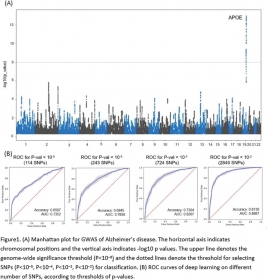
Deep learning–based genome-wide association analysis in Alzheimer’s disease
A CNN-based two-stage genome-wide association approach applied to 12,448,786 imputed SNPs from 916 ADNI participants (458 AD, 458 cognitively normal). The first stage identified 2,335 candidate regions (93,400 SNPs), and case/control classification using top-ranked SNPs reached mean AUC 0.90 at p < 1×10⁻².
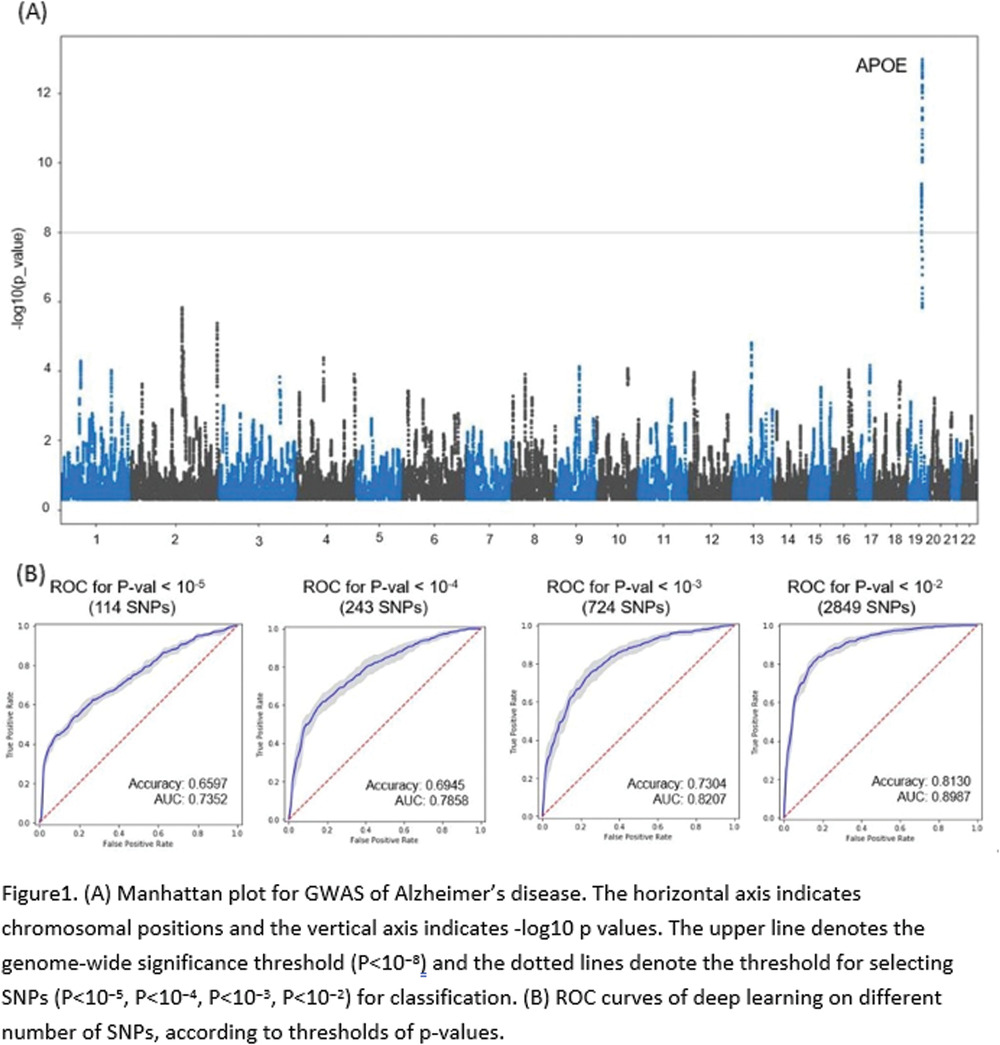

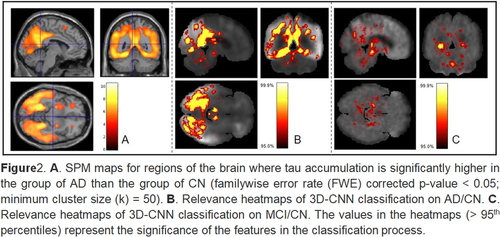
Deep learning detection of informative features in tau PET for Alzheimer’s disease classification
Jo and colleagues built a 3D convolutional neural network with layer-wise relevance propagation on tau PET scans from 300 ADNI participants, reaching 90.8% accuracy for AD versus cognitively normal classification and highlighting hippocampus, parahippocampus, thalamus, and fusiform.
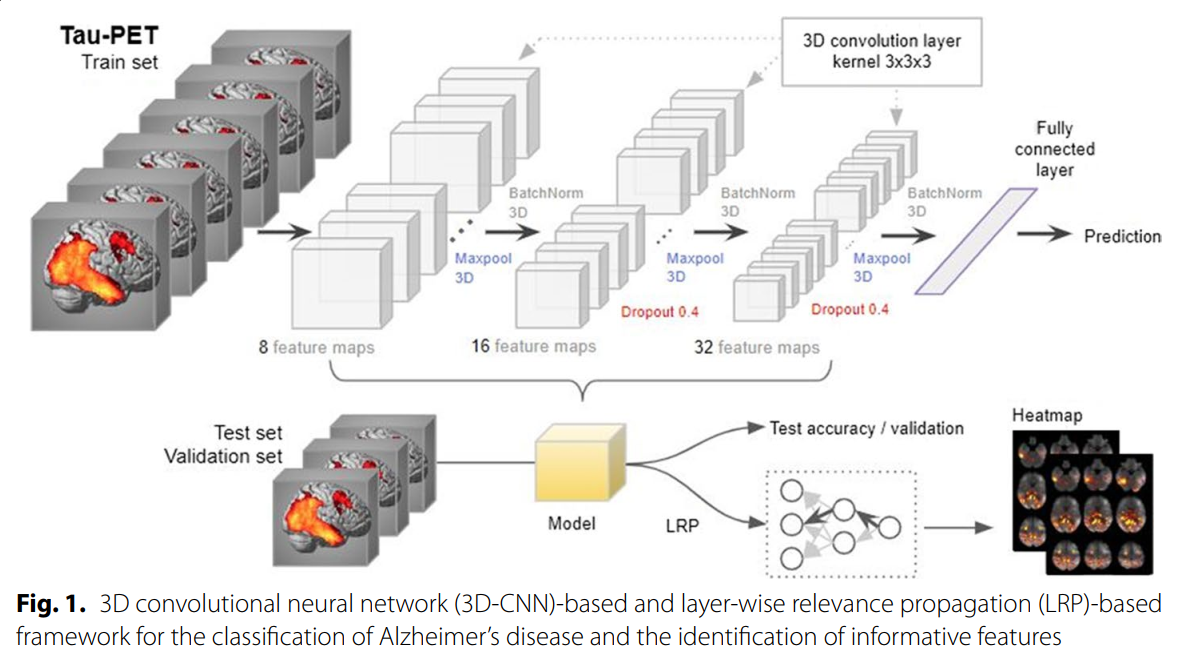
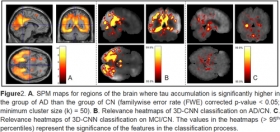
Deep learning detection of informative features in [18F] flortaucipir PET for Alzheimer’s disease classification
A 3D convolutional neural network applied to [18F] flortaucipir tau PET scans classifies Alzheimer disease versus cognitively normal participants, and layer-wise relevance propagation surfaces the brain regions driving the prediction.
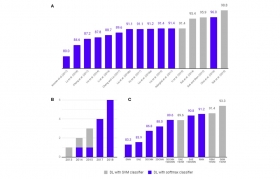
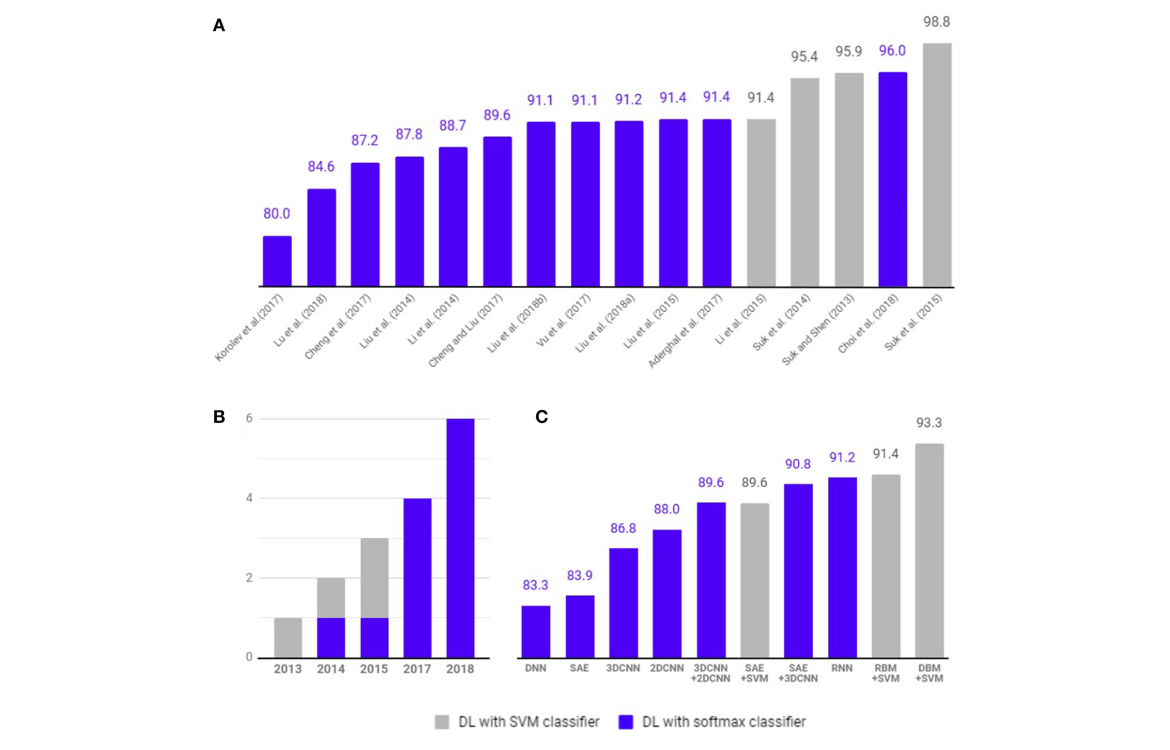
Deep Learning in Alzheimer's Disease: Diagnostic Classification and Prognostic Prediction Using Neuroimaging Data
A systematic review of deep learning applied to neuroimaging for Alzheimer's disease, covering studies from January 2013 to July 2018. Hybrid pipelines using stacked auto-encoders for feature selection reached up to 98.8% AD classification accuracy.
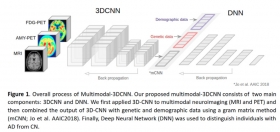
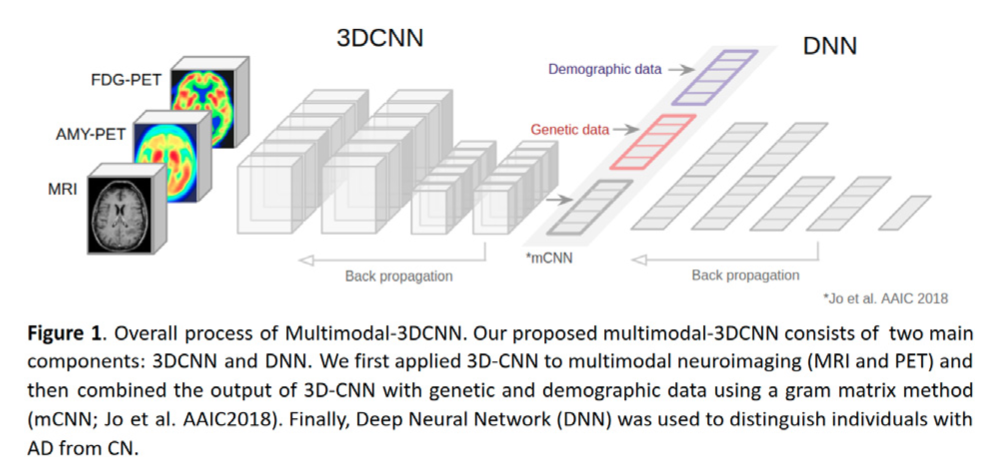
Multimodal-3DCNN: Diagnostic Classification of Alzheimer's Disease Using Deep Learning on Neuroimaging, Genetic, and Demographic Data
Multimodal-3DCNN combines 3D MRI, [18F]FDG PET, [18F]Florbetapir PET, APOE genotype, and demographics from 329 ADNI participants (185 CN, 144 AD). A 3D-CNN plus gram-matrix fusion and a final DNN reached 94% accuracy (AUC 0.95) with all three imaging modalities plus APOE and demographics.
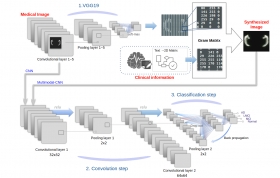
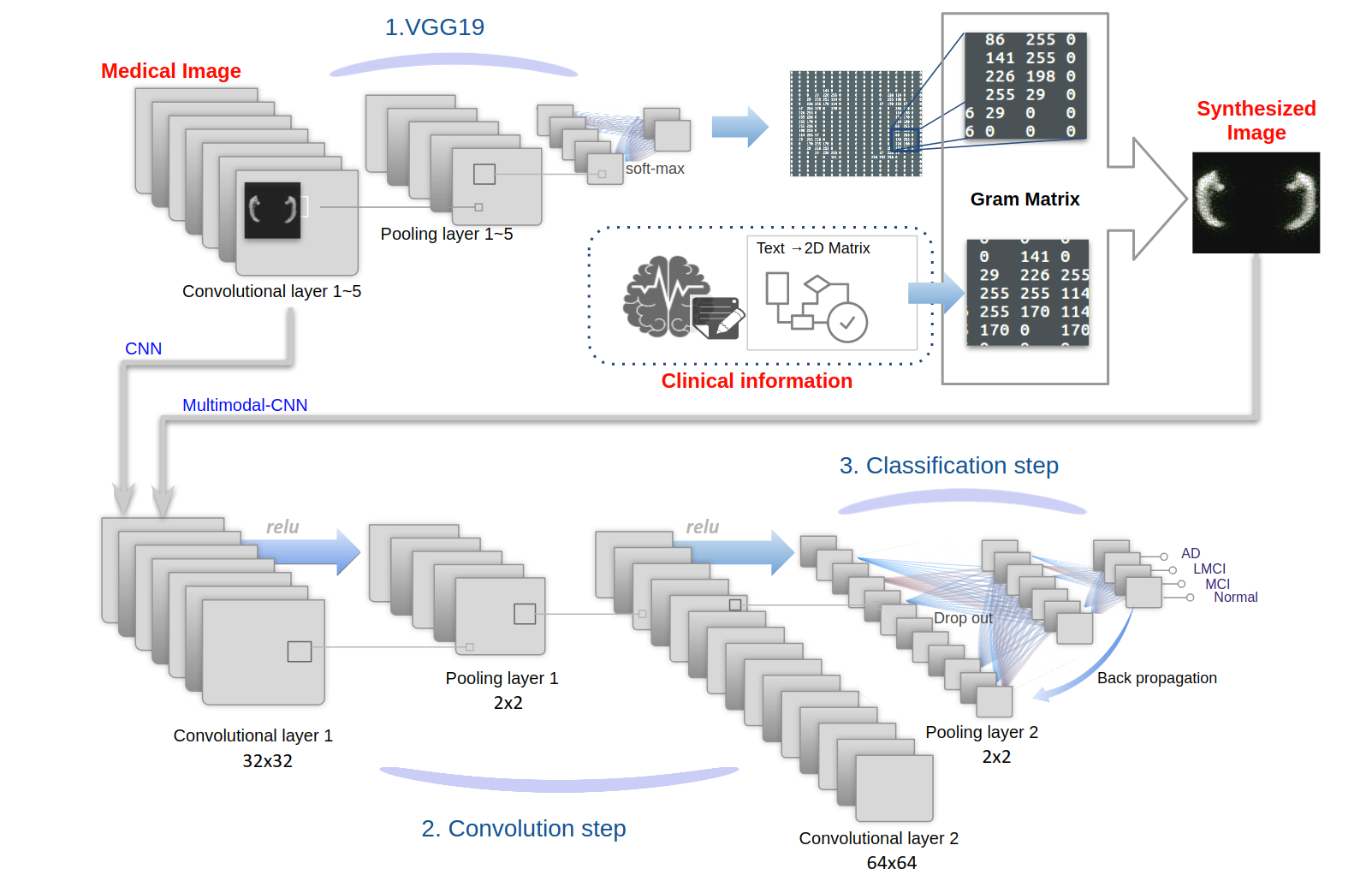
Multimodal-CNN: Improved Accuracy of MRI-based Classification of Alzheimer’s Disease by Incorporating Clinical Data in Deep Learning
Conference abstract (AAIC 2018) proposing Multimodal-CNN, which augments MRI-based Alzheimer's disease classification by encoding clinical measurements and APOE genetic data as 2D matrices fed alongside hippocampal image features into a CNN.
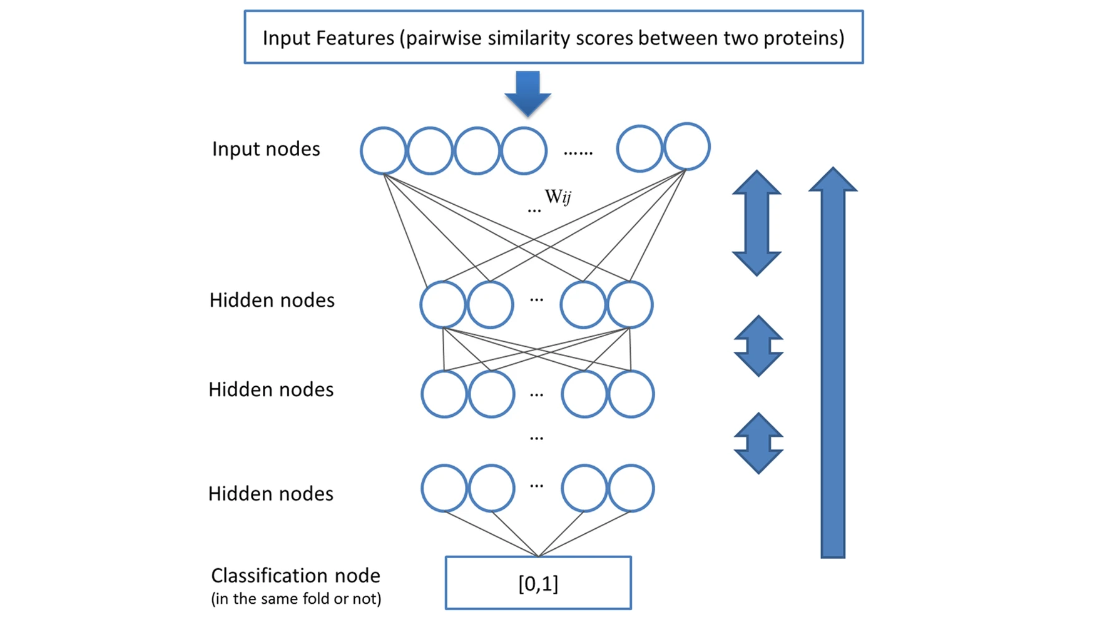
Improving Protein Fold Recognition by Deep Learning Networks
DN-Fold, a deep learning method, predicts whether a query-template protein pair shares the same structural fold using sequence and structural features. Evaluated on Lindahl's benchmark and a SCOP 1.75 set of about one million pairs, it reached competitive Top 1 and Top 5 accuracies across family, superfamily, and fold levels.
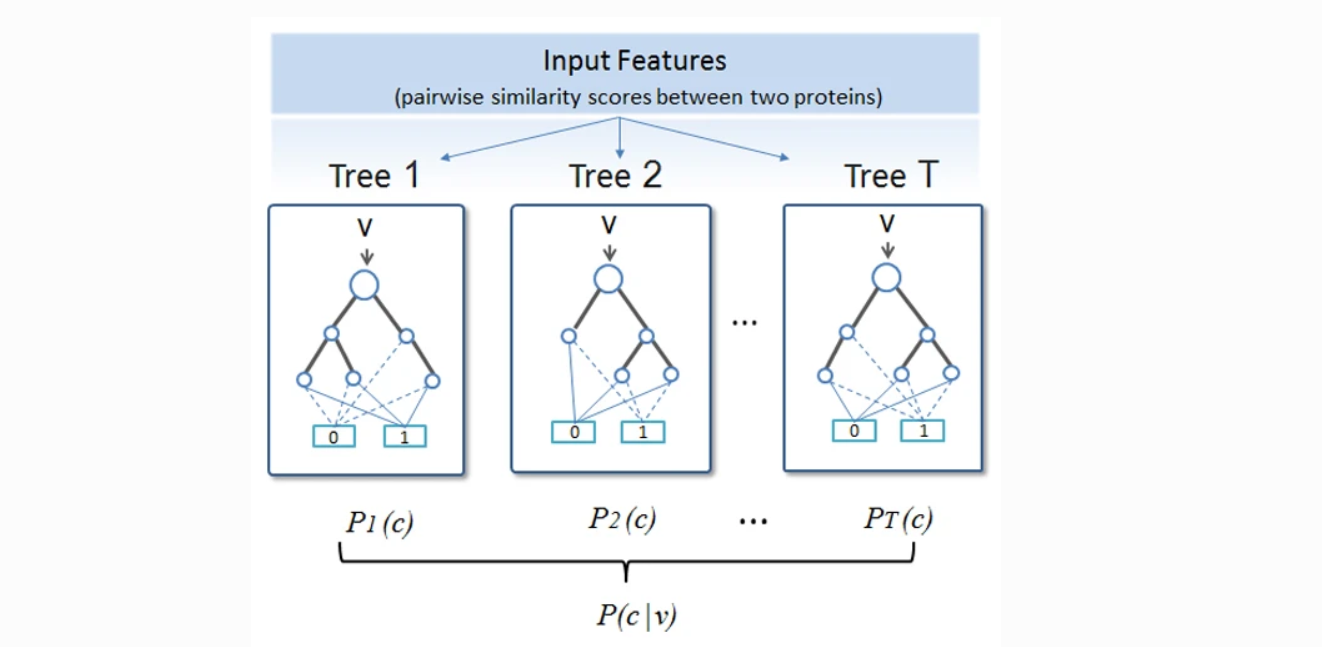
Improving protein fold recognition by random forest
Formulates protein fold recognition as a binary classification task and introduces RF-Fold, a random forest classifier that scores target-template protein pairs. Evaluated on the Lindahl benchmark, RF-Fold matches or beats 17 competing methods.
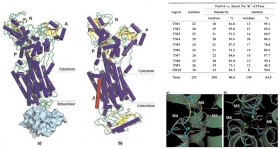
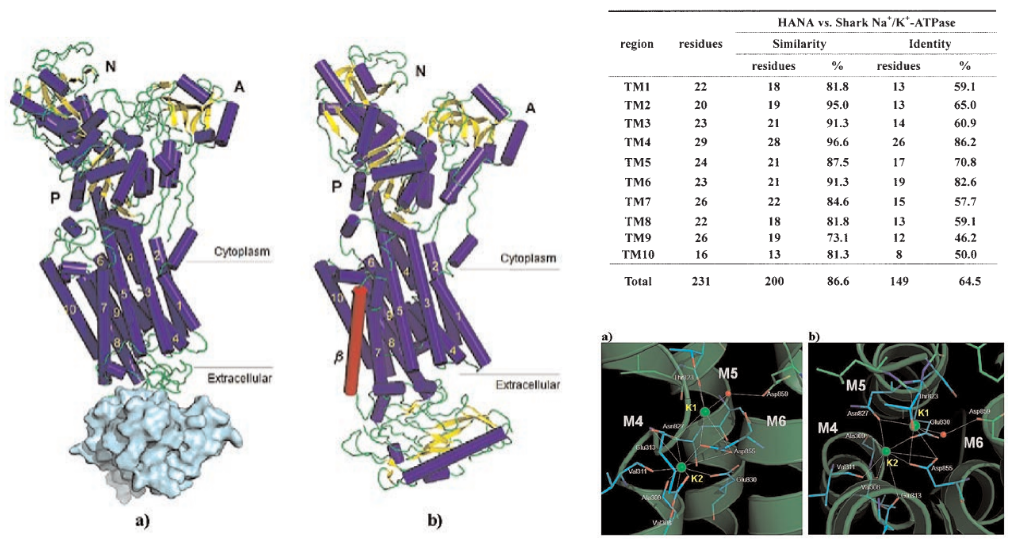
Homology Modeling of an Algal Membrane Protein, Heterosigma Akashiwo Na^+-ATPase
Predicts the 3D structure of Heterosigma akashiwo Na+-ATPase (HANA) by homology modeling using the shark Na+/K+-ATPase K+-bound crystal structure (PDB 2ZXE) as a template, and identifies two putative K+-binding sites in the transmembrane domain.